Permanent dentures are not one product: the phrase covers several very different treatments, from implant-supported fixed bridges to snap-in overdentures. Knowing which one people actually mean is the first step in choosing the right option for your mouth, your budget, and your daily life. This page explains the types, the costs, and the key differences against dental implants, so you can walk into a consultation knowing what to ask.

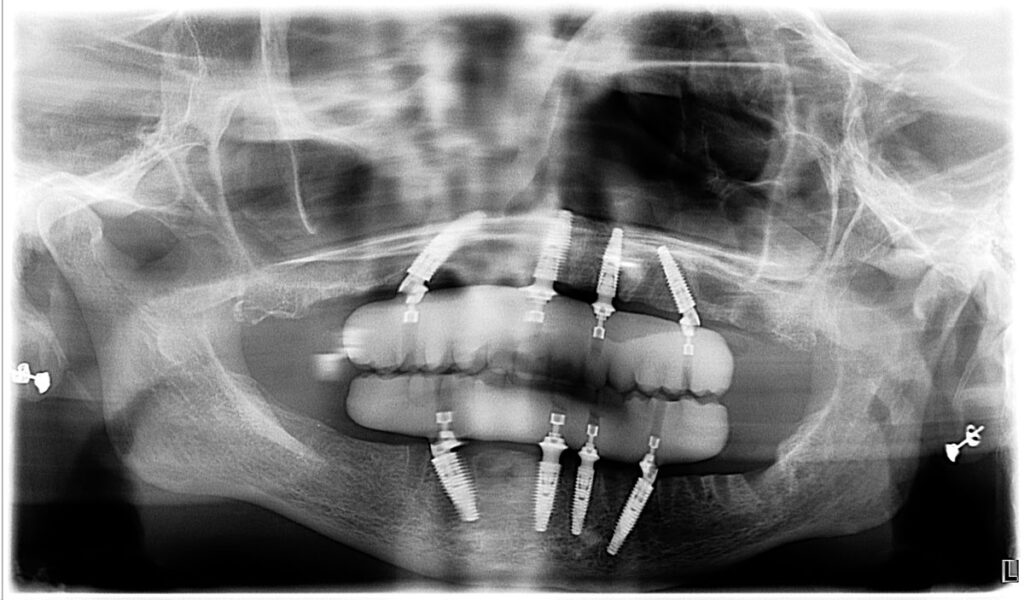
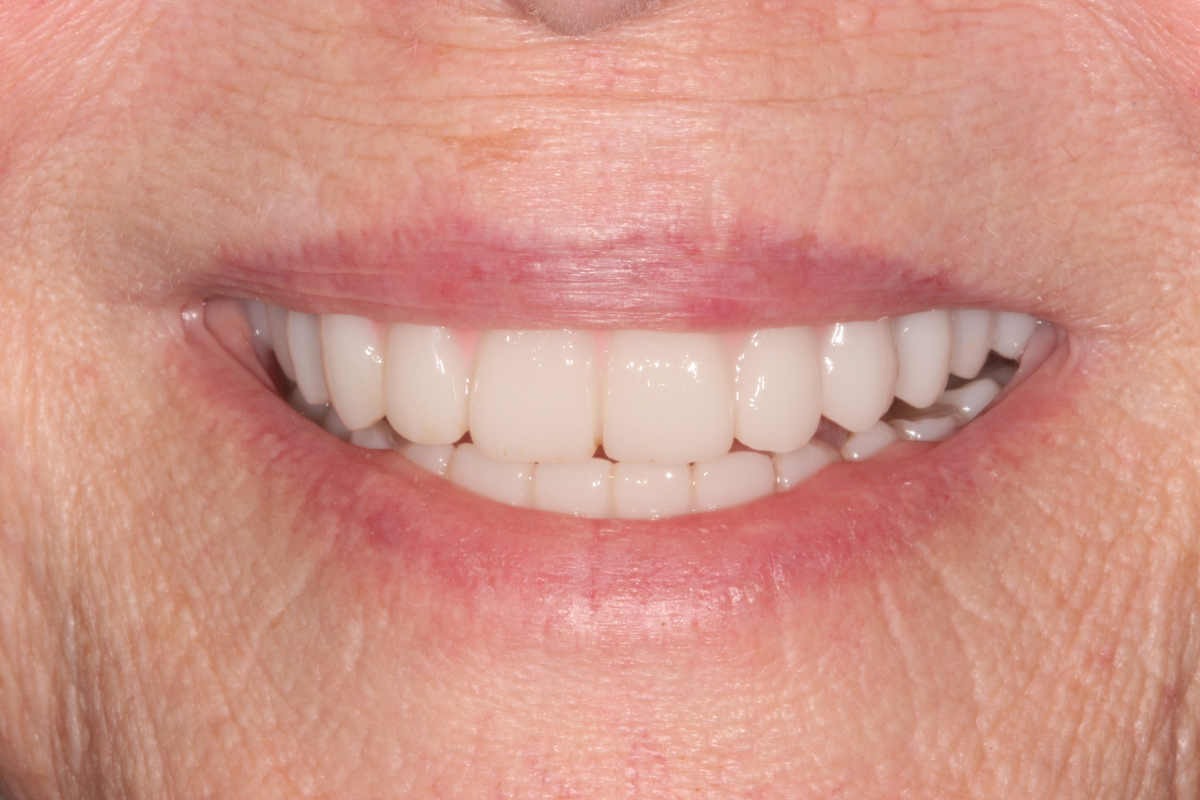
Most people searching for permanent dentures want teeth that do not come out at night, do not slip when they eat or speak, and do not need adhesive. In clinical terms, that describes a fixed, implant-supported prosthesis: a full arch of replacement teeth anchored to dental implants placed in the jaw. Traditional removable dentures, even well-fitted ones, are not permanent in this sense; they rest on the gums and come out daily for cleaning.
There are three broad categories, and the differences matter every single day you wear them:
For anything genuinely fixed, yes. Dental implants are the anchor that makes “permanent” possible: titanium or zirconia posts placed in the jaw that replacement teeth attach to. This is also why fixed options protect the jawbone in a way removable dentures cannot; the implant transmits chewing force into the bone, which helps maintain it. If you have been told you lack the bone for implants, ask about options for significant bone loss before ruling anything out, including zygomatic and pterygoid implant techniques.
 Before
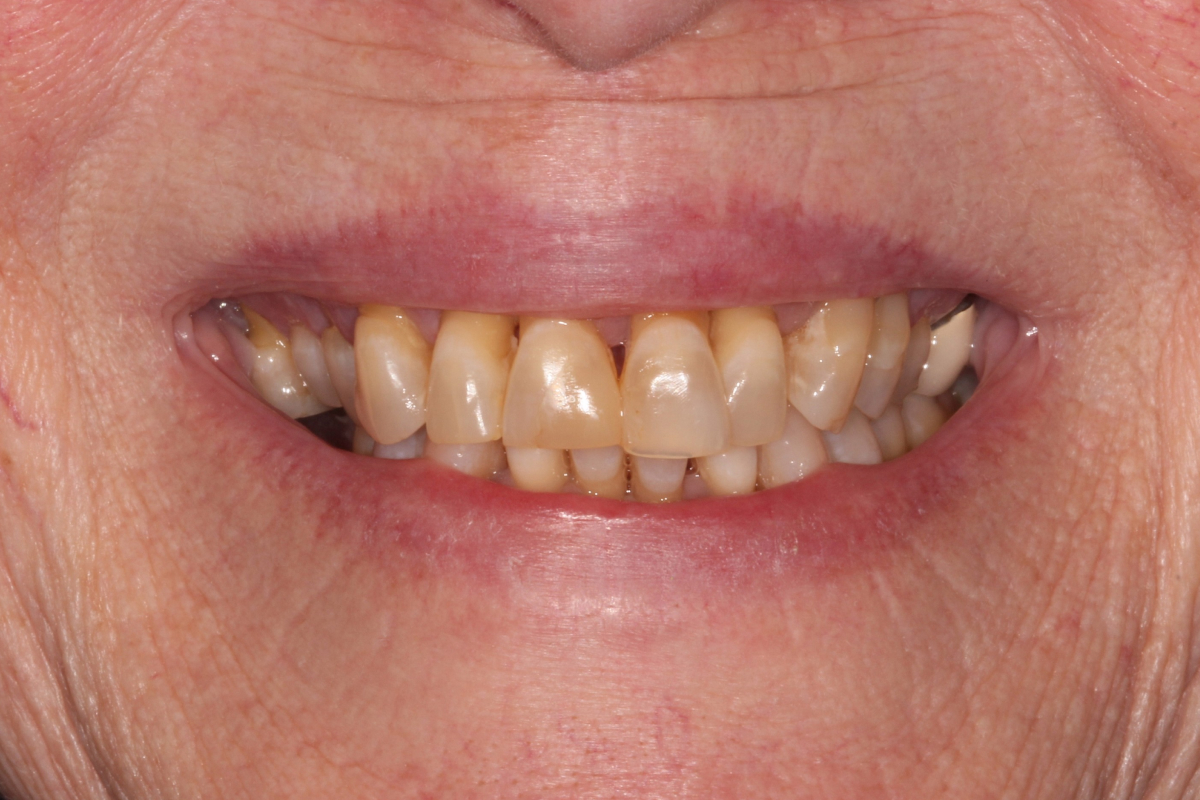
Fixed implant teeth are cared for much like natural teeth: brushing, water flosser, and regular hygiene visits, with no nightly removal and no adhesives. Snap-in overdentures come out every day for cleaning, and their clips wear and need periodic replacement. Traditional dentures need daily removal, soaking, and eventual relines as the jaw changes shape underneath them.
Most healthy adults who have lost teeth, or are about to lose failing teeth, can be evaluated for implant-supported options. Factors your dentist will assess include overall health, gum condition, bone volume, and habits like smoking. Age by itself is rarely the deciding factor; many of our full-mouth patients are in their 60s, 70s, and 80s. The honest answer for any individual comes from a proper exam and 3D imaging, not a web page.
Removable dentures cost the least upfront and the most in compromise: slipping, food restrictions, relines, and ongoing bone loss. Implant-supported options cost more upfront because they include surgery, the implants themselves, and a precision-made arch of teeth, but they are built to be a long-term solution. For a detailed breakdown of what goes into the price, see our implant cost and comparison guide, and note that financing options are available for qualified patients.

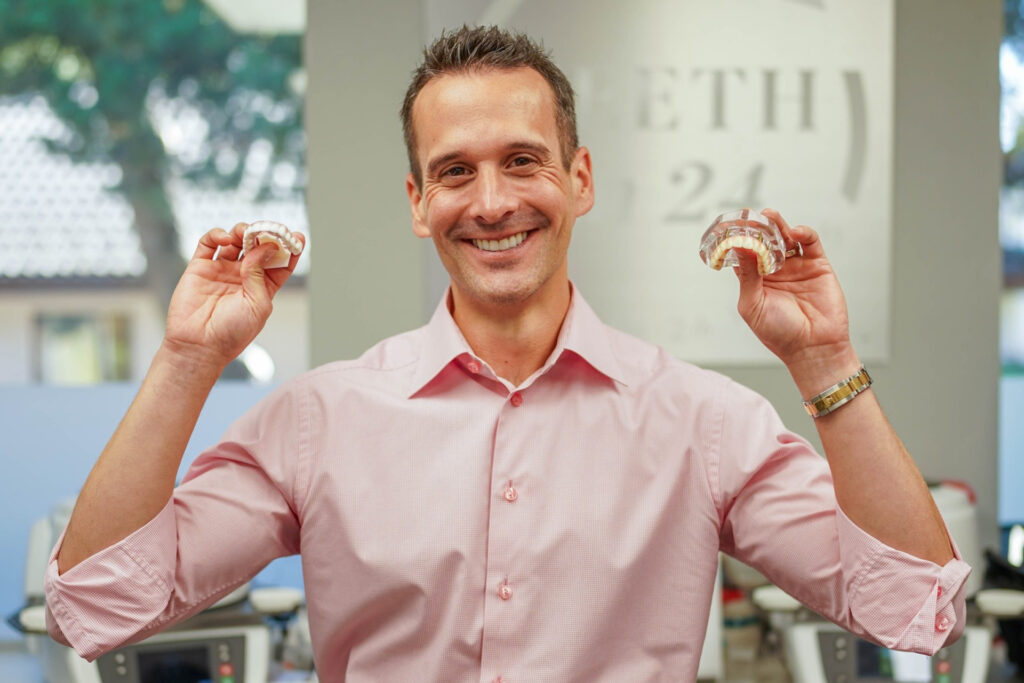
If your teeth are failing, your denture will not stay put, or you are tired of managing a mouth that manages you, the fastest way to a real answer is a consultation. Dr. Lampee has placed implants for more than 20 years and developed Teeth in 24® so that qualified patients can leave a single surgery with a full set of fixed teeth. You will get an honest assessment of whether fixed teeth, an overdenture, or another approach fits your situation, with no judgment about how your teeth got here.
Book your implant consultation or call the office to talk it through.